Simple Ways to Reduce Noise at Home for a Calmer Space
Creating a quiet and peaceful home environment can significantly improve your comfort and well-being. Whether you live in a busy city, a bustling neighborhood, or simply want to reduce distractions indoors, cutting down noise levels at home is a practical goal. Fortunately, there are simple and affordable ways to reduce noise without major renovations.
In this post, we’ll explore easy strategies you can implement to enjoy a calmer, quieter living space.
Why Reducing Noise at Home Matters
Noise pollution can increase stress, interrupt your sleep, and reduce productivity. Even everyday household sounds—like appliances, conversation, or traffic outside—can add up to a noisy environment. Lowering noise levels helps create a sanctuary where you feel relaxed and focused.
Easy Ways to Reduce Noise at Home
1. Use Soft Furnishings to Absorb Sound
Hard surfaces reflect sound waves, making rooms noisy. Adding soft materials helps absorb sound and reduce echoes.
– Rugs and carpets: Place rugs or carpets on floors, especially if you have hardwood or tile. They help absorb footsteps and general noise.
– Curtains and drapes: Thick, heavy curtains over windows and even walls reduce outdoor noise and soften room acoustics.
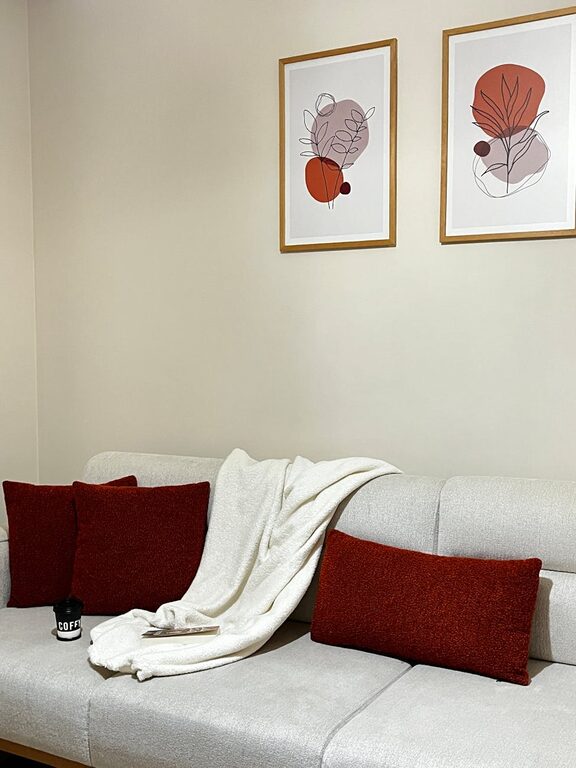
– Cushions and upholstered furniture: Sofas, chairs, and pillows provide cushioning that dampens sound.
2. Seal Gaps and Cracks
Sounds often sneak in through gaps in doors, windows, and walls. Sealing these can block unwanted noise.
– Use weatherstripping to seal door edges.
– Apply caulking around window frames and wall cracks.
– Ensure windows close tightly; consider storm windows for extra insulation.
3. Rearrange Furniture Smartly
The positioning of furniture can influence how sound travels through a room.
– Place bookshelves filled with books or cabinets against walls shared with noisy neighbors or streets.
– Use large furniture pieces as sound buffers.
– Create cozy reading nooks away from noise sources.
4. Add Soundproofing Products
If you want to invest a little, many products can help lessen noise.
– Acoustic panels: These can be mounted on walls to absorb noise and improve sound quality.
– Door sweeps: Install door sweeps at the bottom of doors to block sound leaks.
– Foam or rubber pads: Place these under appliances to reduce vibrations and noise.
5. Reduce Noise Sources
Sometimes, the best way to reduce noise is to tackle it at the source.
– Use appliances with quiet or low-noise settings.
– Turn down volume on TVs, speakers, and devices.
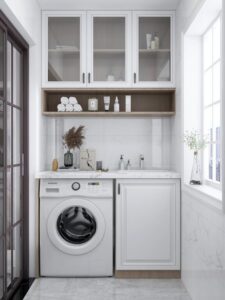
– Close doors to noisy rooms like kitchens or laundry areas.
6. Use White Noise or Soft Music
If some noise is unavoidable, masking it with pleasant sounds can help.
– White noise machines or apps provide consistent background sound, which can reduce the perception of sudden noises.
– Playing soft music or nature sounds can also create a calming backdrop.
Additional Tips for Quiet Living
– Plants: Adding indoor plants can improve room acoustics slightly while enhancing decor.
– Double glazing: For major noise reduction, double-glazed windows significantly block outside sound.
– Floor mats: Place mats under chairs and tables to reduce scraping noises.
Final Thoughts
Reducing noise at home doesn’t require expensive renovations. By incorporating soft furnishings, sealing gaps, rearranging furniture, and using soundproofing aids, you can enjoy a quieter, more peaceful home. Small changes add up to big improvements in comfort and relaxation.
Try these simple tips to create your own calm haven where noise won’t disturb your daily life or rest. A peaceful home is just a few steps away!