Simple Ways to Reduce Household Paper Clutter Effortlessly
If you’re like many people, papers tend to pile up quickly at home—bills, receipts, mail, manuals, and more can create clutter and stress. Fortunately, reducing household paper clutter doesn’t have to be overwhelming. With a few simple habits and organized systems, you can keep your paper piles under control and maintain a neater living environment.
In this post, we’ll explore practical steps to help you cut down on paper clutter and enjoy a more streamlined home.
Why Paper Clutter Matters
Paper clutter is more than just an eyesore; it can lead to lost documents, wasted time searching for important papers, and unnecessary stress. Creating a system to manage paper helps you stay organized and saves effort in the long run.
Start with a Paper Purge
Before setting up your organizing system, take time to sort through your current paper clutter.
Steps to Purge Paper Clutter
– Gather all papers from around your home in one spot.
– Sort into categories: bills, receipts, documents, mail, manuals, sentimental items.
– Discard unnecessary papers: throw out duplicates, expired coupons, junk mail, old magazines.
– Shred sensitive papers you no longer need to protect your privacy.
– Keep only important papers that you need for records, taxes, or reference.
Removing unneeded papers first ensures you’re only organizing what really matters.
Go Digital Wherever Possible
One of the best ways to reduce paper is to switch to digital formats.
Tips for Digitizing Papers
– Sign up for paperless billing and statements with your utilities, banks, and credit cards.
– Scan important documents using a scanner or smartphone app.
– Save digital copies in organized folders on your computer or cloud storage.
– Use apps to track receipts and warranties instead of keeping physical copies.
– Unsubscribe from junk mail to reduce incoming mail clutter.
Digital files are easier to search and don’t take up physical space.
Create a Simple Filing System
For papers you need to keep in hard copy, an easy filing system helps keep them accessible without mess.
How to Set Up Your Filing
– Use labeled folders or binders for main categories (bank statements, medical, taxes).
– Keep frequently used files nearby in an accessible spot.
– Date files and archive old papers annually to keep the system current.
– Choose a storage container like a filing box, portable file crate, or drawer organizer.
Keep your filing system straightforward so it’s easy to maintain.
Develop a Daily Paper Routine
Preventing paper buildup also means managing it daily.
Daily Paper Habits
– Sort mail immediately: recycle junk mail and add important papers to your file or to-do pile.
– Handle papers as they come in: don’t just stack them; deal with bills, invitations, and receipts right away.
– Set aside time weekly to review and file any accumulated papers.
– Keep a “to-do” folder for papers that require action, such as forms to fill out or invitations to RSVP.
Regular maintenance makes paper clutter easier to control.
Use Tools to Manage Paper
There are many helpful tools designed specifically for paper organization.
Useful Paper Management Tools
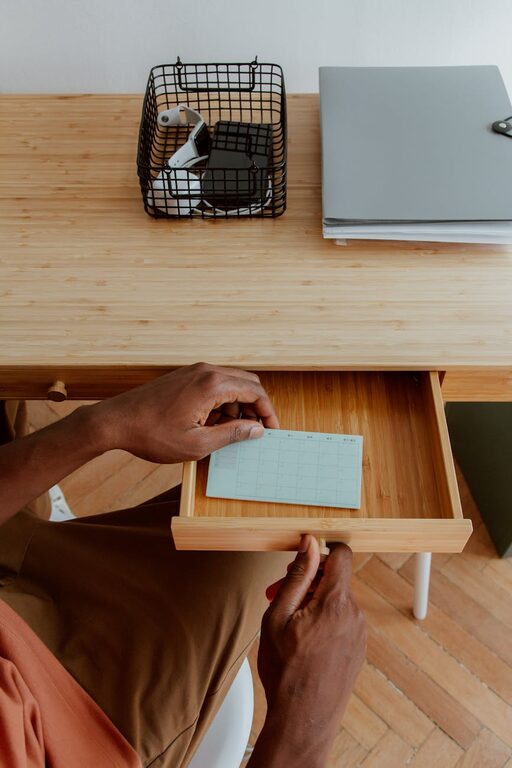
– Desk organizers to keep papers upright and sorted on your workspace.
– Inbox/outbox trays for incoming mail and outgoing correspondence.
– Label makers to clearly mark folders and containers.
– Receipt scanners and budgeting apps to track expenses digitally.
Investing in functional tools can make organizing paper less of a chore.
Minimize Paper Through Mindful Habits
Some simple changes in your habits can reduce paper clutter long-term.
Mindful Paper Habits
– Limit printing: print only when necessary.
– Use reusable notebooks or digital notes instead of paper pads.
– Opt for electronic invitations and tickets instead of paper ones.
– Encourage household members to follow the paper management system.
Smaller paper inflow equals less to organize.
Conclusion
Reducing household paper clutter is both achievable and rewarding. By purging unnecessary papers, going digital, keeping a simple filing system, developing daily habits, and using the right tools, you can enjoy a tidier, more organized home. Start small and build your paper management routine over time—it will make a big difference in how your space looks and feels.
Try these tips today and take one step closer to a clutter-free, calm living environment!